


A conference where rigorous scholarship and lived debate practice are in genuine conversation.
About 3rd ICDD
Argumentation and debate are not merely academic disciplines; they are the means through which civilisations have reasoned together, resolved disagreement, and advanced knowledge. This conviction has guided QatarDebate Center since its founding under Qatar Foundation more than a decade ago. Through its flagship programs, the International Universities Debating Championship, launched in 2011, and the International Schools Debating Championship, launched the following year, the Center has built the first structured Arabic debate ecosystem and cultivated active debate communities among young people aged 15 to 25 across dozens of countries.
The International Conference on Debate and Dialogue (ICDD) is the Center's academic platform, dedicated to advancing knowledge at the intersection of debate, dialogue, and argumentation, and drawing on related fields including philosophy, education, linguistics, and Islamic sciences. What distinguishes ICDD from conventional academic conferences is its deliberate bridging of scholarly inquiry and lived practice, a space where theoretical questions are tested against the experience of those who debate, coach, and teach.
Its second edition, the conference held in Doha in May 2025, marked a significant milestone for the field. The conference brought together more than 800 participants from 36 countries and featured 60 peer-reviewed papers selected through a rigorous double-blind process, spanning Islamic legal reasoning and debate traditions, cross-cultural argumentation, informal logic, political discourse, artificial intelligence in debate education, and the civic impact of debate practice. All accepted papers were published in the conference proceedings on the Manara Platform; the five strongest contributions under the theme of Theoretical Exploration of Argumentation were selected for a special issue of Informal Logic (Vol. 45, No. 3, September 2025), one of the field's leading peer-reviewed journals.
Building on two editions of growing scope and reach, the 3rd ICDD invites researchers, scholars, educators, and debate practitioners to contribute theoretical, empirical, and applied work across three themes: argumentation theory and its applications, debate in education, and the emerging relationship between debate and artificial intelligence. The conference will be held in Doha on 1–2 June 2027, and welcomes contributions in both Arabic and English.
Informal Logic Journal
A selection of papers presented at the 3rd ICDD will be considered for publication in Informal Logic, a leading Canadian journal in argumentation theory (Q1, open access). Papers submitted under the theme of Theoretical and Applied Argumentation are eligible for this track.
View Special Issue from ICDD 2025 →QD Research Fellowship - Cycle 3
Accepted contributions to 3rd ICDD are eligible for consideration under the third cycle of the QD Fellowship Program, which offers two-year funded research grants to a number of selected projects. Fellowship applications run alongside the conference submission process and require no separate application.
A look at the 2nd ICDD
800+
Participants
from 36 Countries
60
Research Papers
Double-Blind Peer-Reviewed
12
Research Fellows
QD Funded (2-Year Program)
2nd ICDD Highlights
Conference Themes
Papers are invited across three interrelated themes. Click any theme to read the full description and explore possible directions for contributions.
The Islamic scholarly tradition has produced a rich and sophisticated body of argumentation theory, spanning ʿilm al-munāẓara, uṣūl al-fiqh, kalām, and philosophical dialectics. We invite papers that critically engage with this tradition by reconstructing its epistemic norms, examining the distinctive features of its dialogical reasoning, and tracing its transmission and transformation across intellectual history, while also addressing broader questions such as how Islamic argumentative traditions can inform contemporary deliberative practices.
We particularly encourage scholarship that bridges Western argumentation theories — such as pragma-dialectics, Toulmin's model, and the new rhetoric — with the Arabic-Islamic tradition. Contributions may explore points of convergence and divergence in criteria of argument validity, the ethics of disagreement, and the epistemology of dialogue. Contributions may also address questions such as: What are the limitations of current Western models in non-Western contexts? Comparative work that moves beyond descriptive comparison toward deeper philosophical engagement is especially welcome.
This strand focuses on the role of argumentation in real-world contexts, including political discourse, conflict resolution, and digital media environments. We invite both empirical and analytical studies that examine how argumentation shapes public reasoning, particularly in polarized or fragmented media landscapes. Relevant topics include visual argumentation, algorithmic framing, and cross-cultural dialogue in multilateral settings, as well as the role of argument in constructing narratives of peace and conflict, with particular attention to Arabic and Islamic contexts.
Possible directions include integrating debate into school and university curricula across disciplines; training educators in argumentation pedagogy and dialogic teaching methods; and measuring the impact of debate practice on 21st-century skills such as critical thinking, collaboration, and communication, as well as on ethical reasoning, identity formation, and academic performance.
Experimental and quasi-experimental studies are especially welcome, particularly those that examine the measurable effects of structured debate programs on critical thinking outcomes across K–12 and higher education. Research designs, including pre-registered studies with ongoing data collection, are also eligible for submission.
The capacity of contemporary AI systems to detect, model, and evaluate argument schemes, fallacies, and dialogical moves in Arabic natural language, alongside the development of computational approaches to argument mining and culturally sensitive Arabic argumentation corpora.
The design and assessment of AI-powered tools for debate training, coaching, and adjudication, as well as the use of large language models in simulating munāẓara and structured dialogue.
Particular attention is invited to questions of bias, credibility, and manipulation in AI-generated arguments, and to the broader ethical and epistemic implications of AI-mediated persuasion for public deliberation and collective reasoning.
Submission Guidelines
- Word Count: 3,000–4,500 words, excluding references, footnotes, and appendices.
- Abstract: 200–250 words, including 4–6 keywords and the selected conference theme.
- Citation Style: Any recognized academic style (APA, MLA, Chicago, etc.), applied consistently.
- Formatting: Times New Roman (12pt) or Arial (11pt), with standard margins.
- Submission: Via the conference portal only.
Important Dates
| Date | Milestone |
|---|---|
| May 17, 2026 | Start of abstract submissions (AoE) |
| August 1, 2026 | Deadline for abstract submissions (AoE) |
| September 15, 2026 | Announcement of accepted abstracts & opening of full paper submissions |
| December 1, 2026 | Deadline for full paper submission (AoE) |
| February 17, 2027 | Announcement of accepted papers |
| March 28, 2027 | Deadline for submitting final camera-ready papers (AoE) |
| June 1–2, 2027 | Conference — Doha, Qatar |
Submissions will be received through the conference's dedicated platform. For more information, we invite you to visit the conference's official website. You are also welcome to contact us via email for any inquiries at: qdacademic@qf.org.qa.
Conference Committees
Steering Committee
Scientific Committee
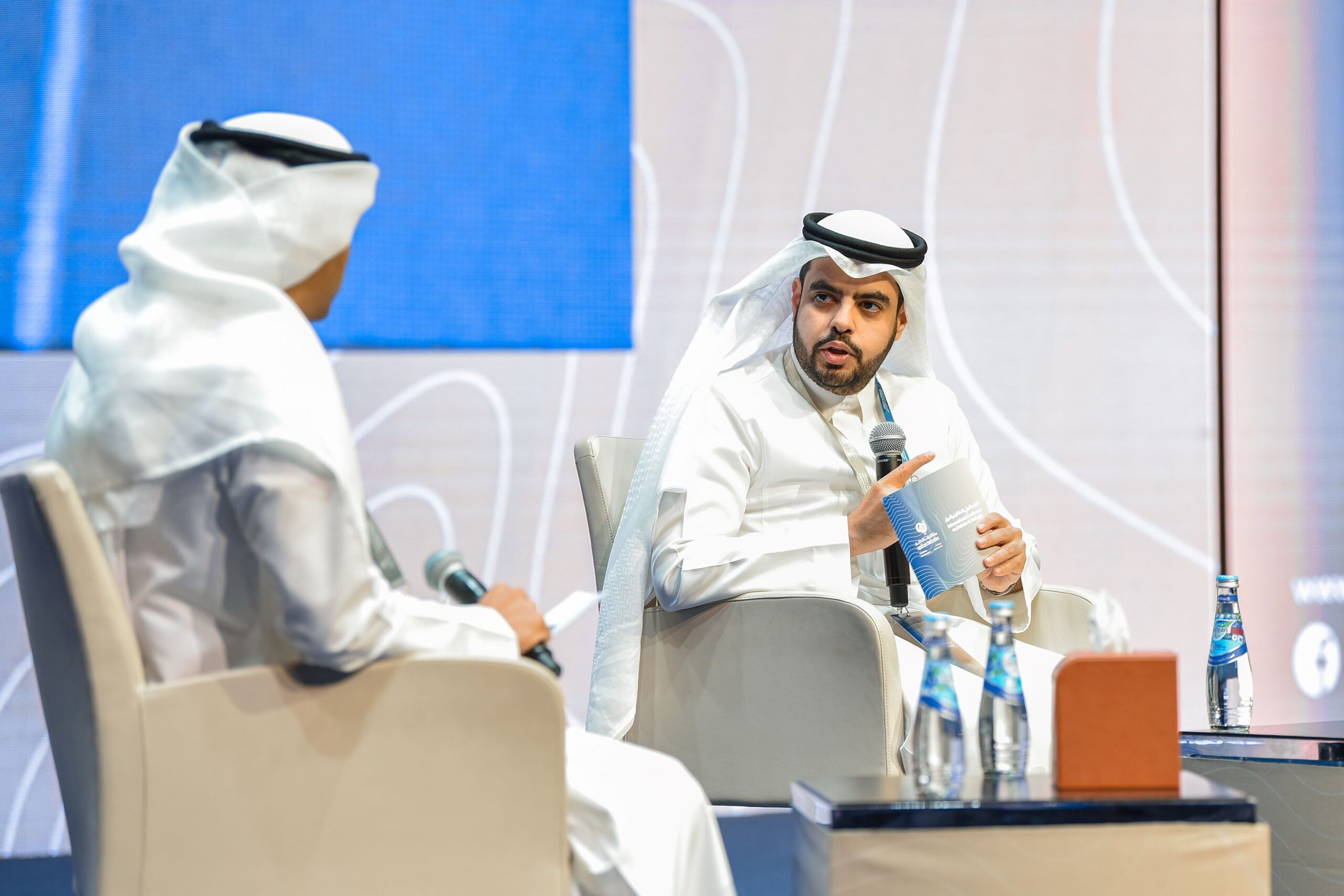
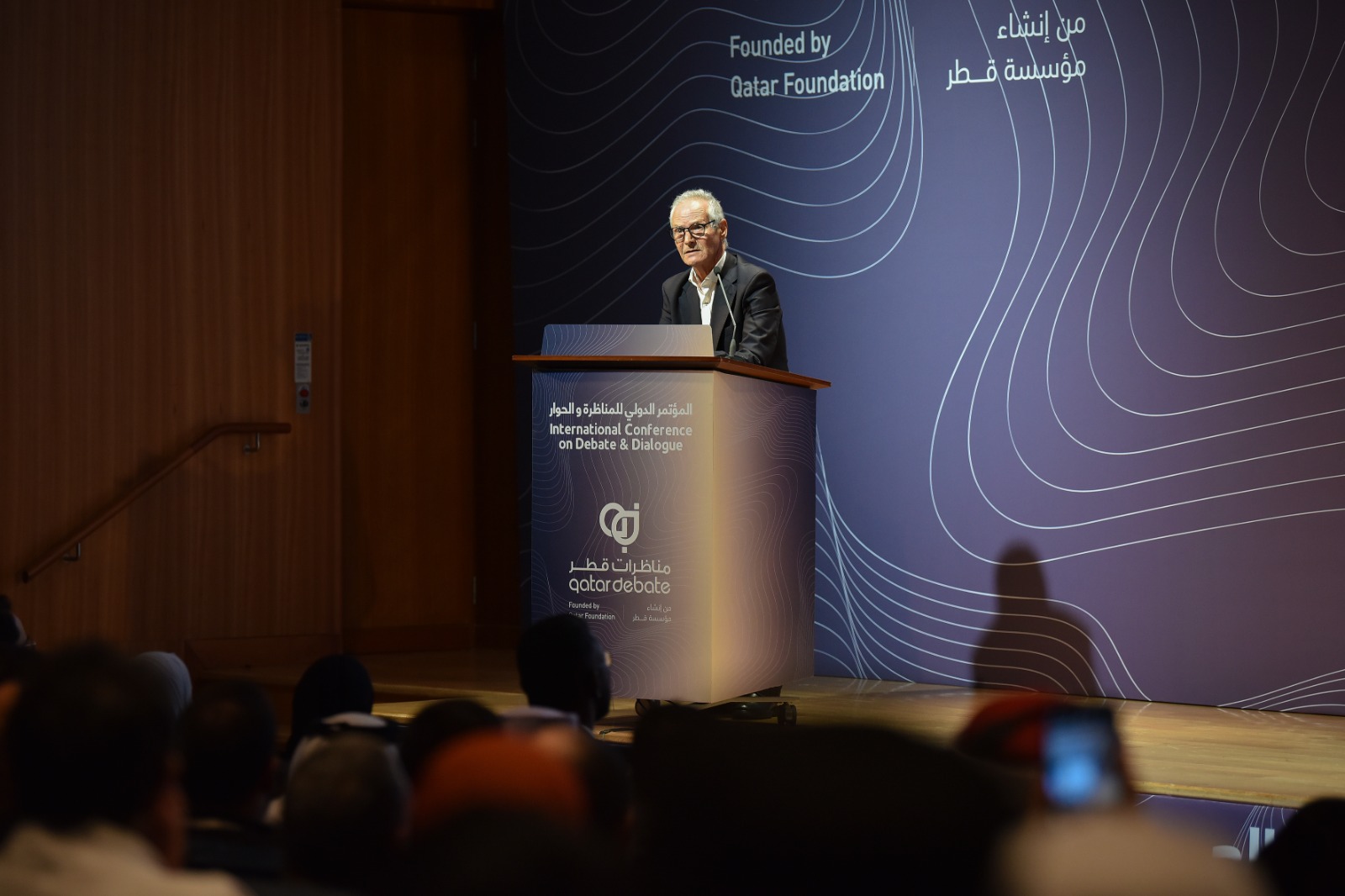
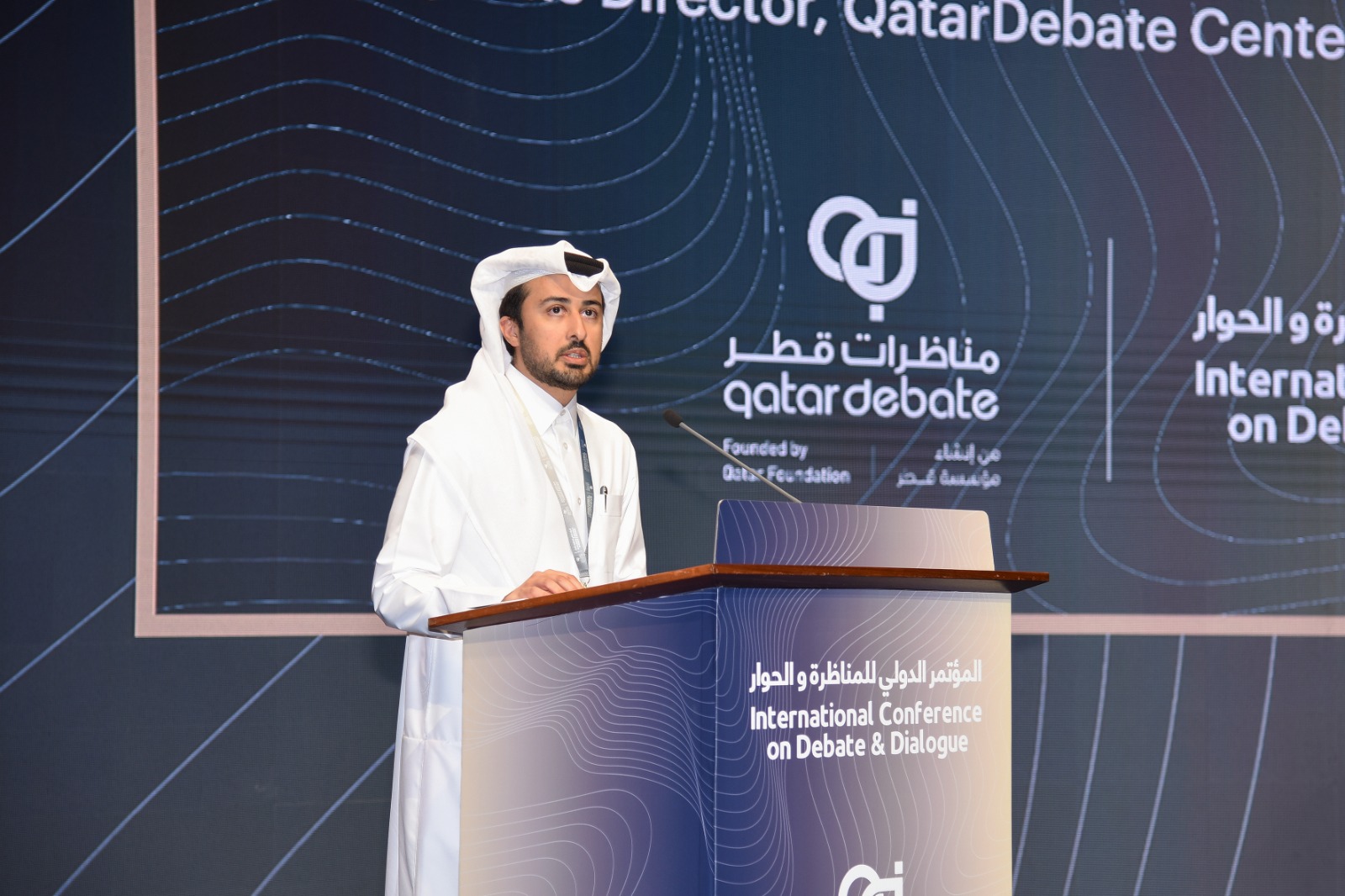
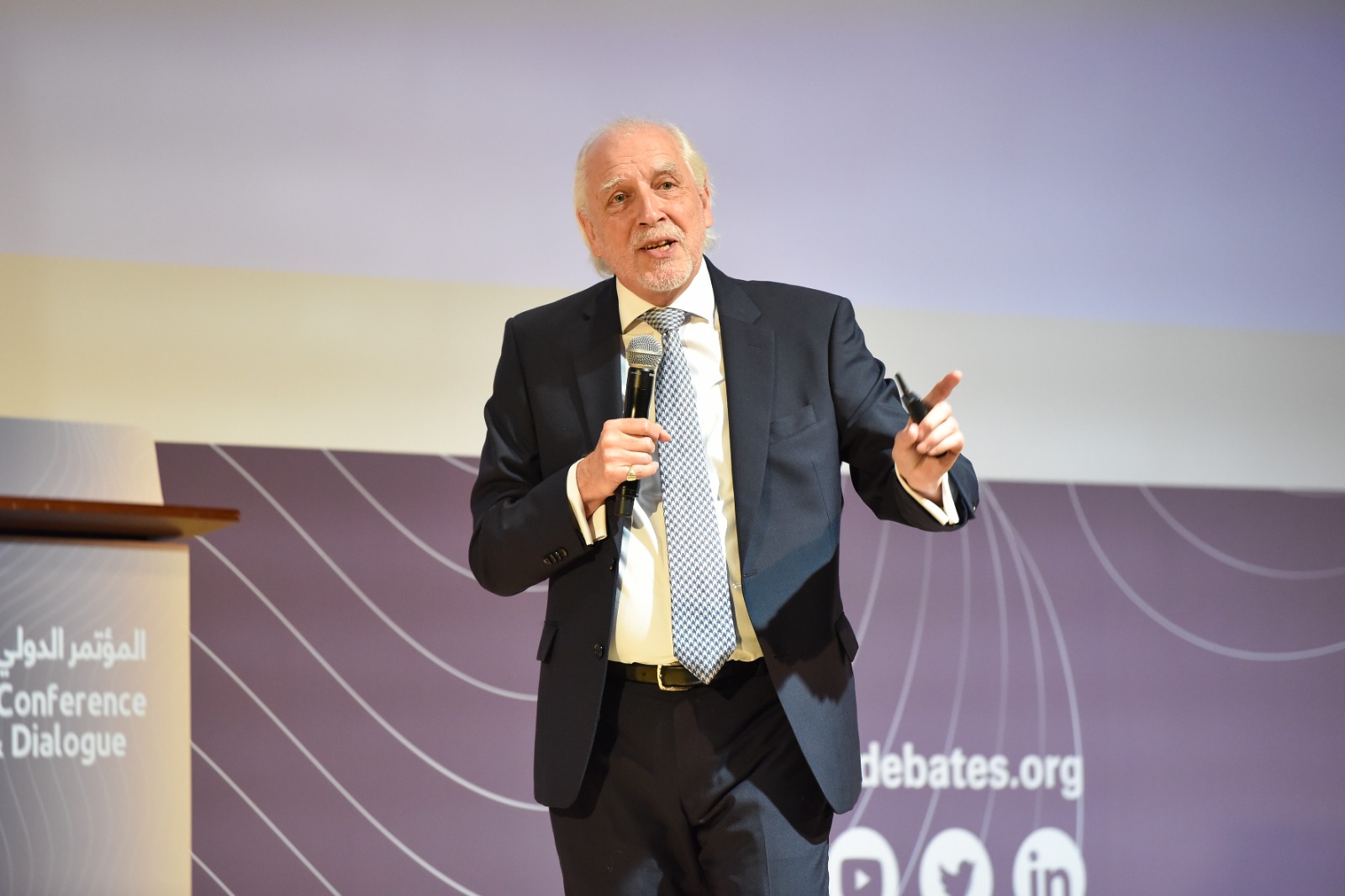
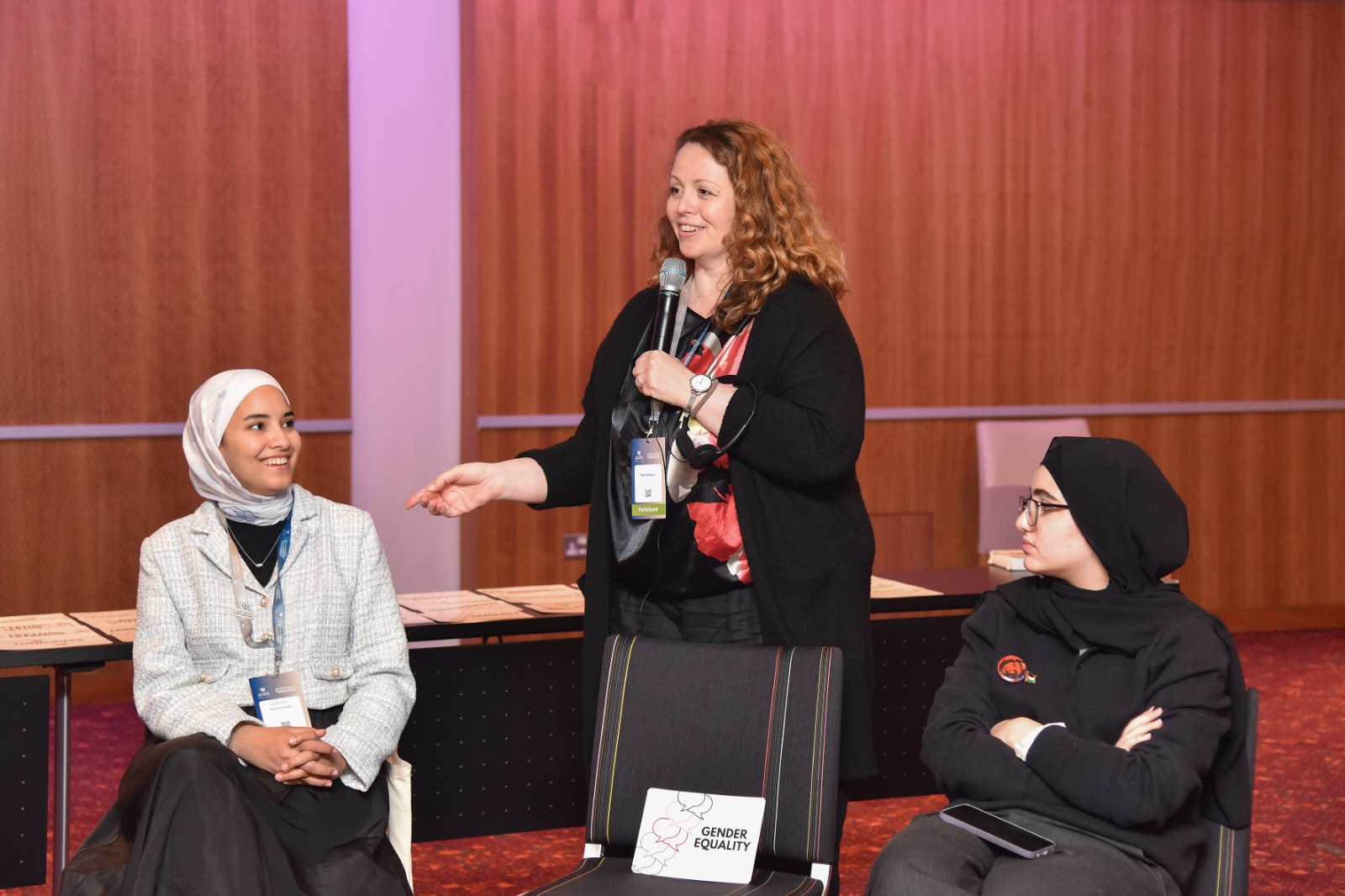
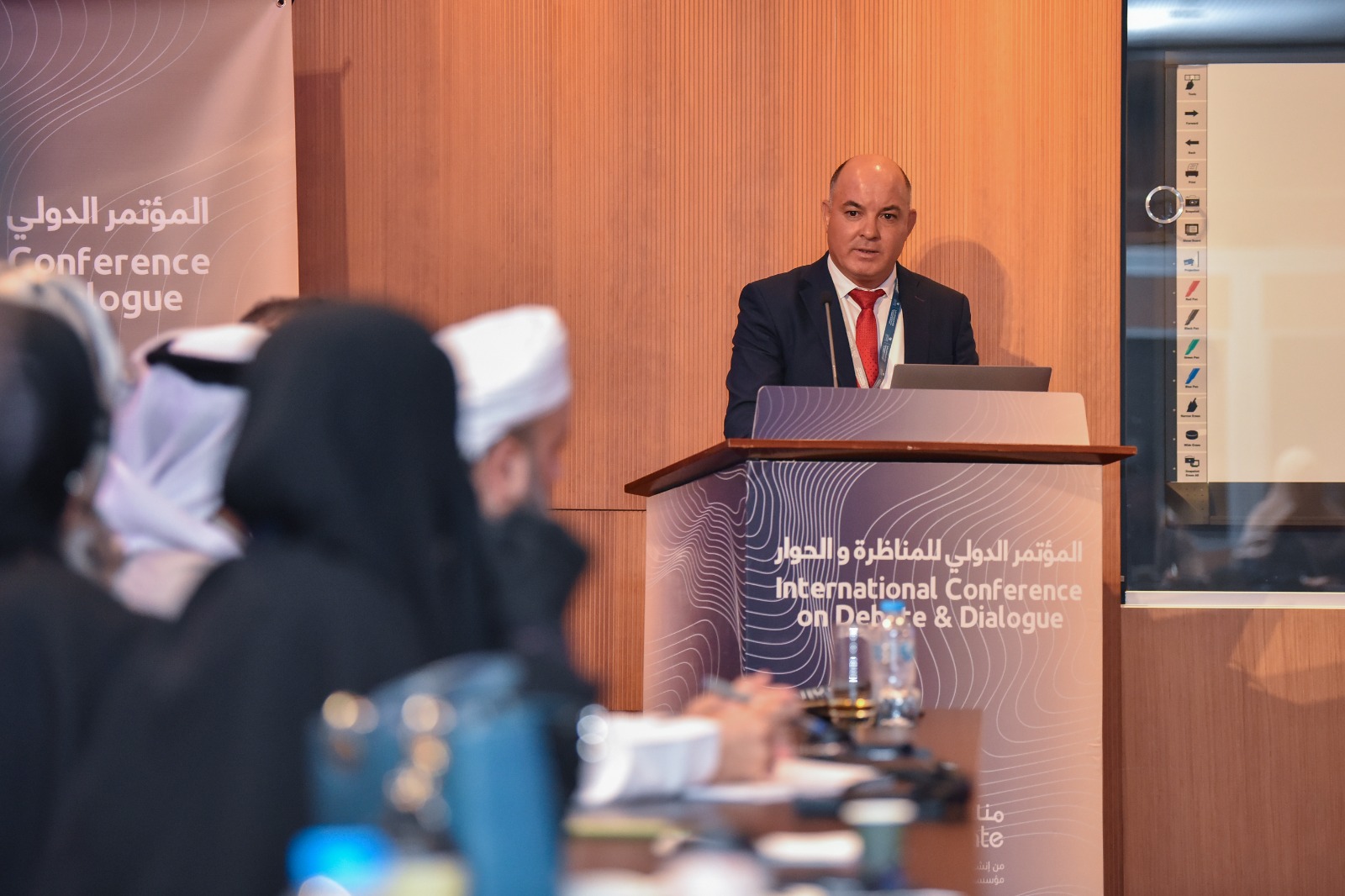
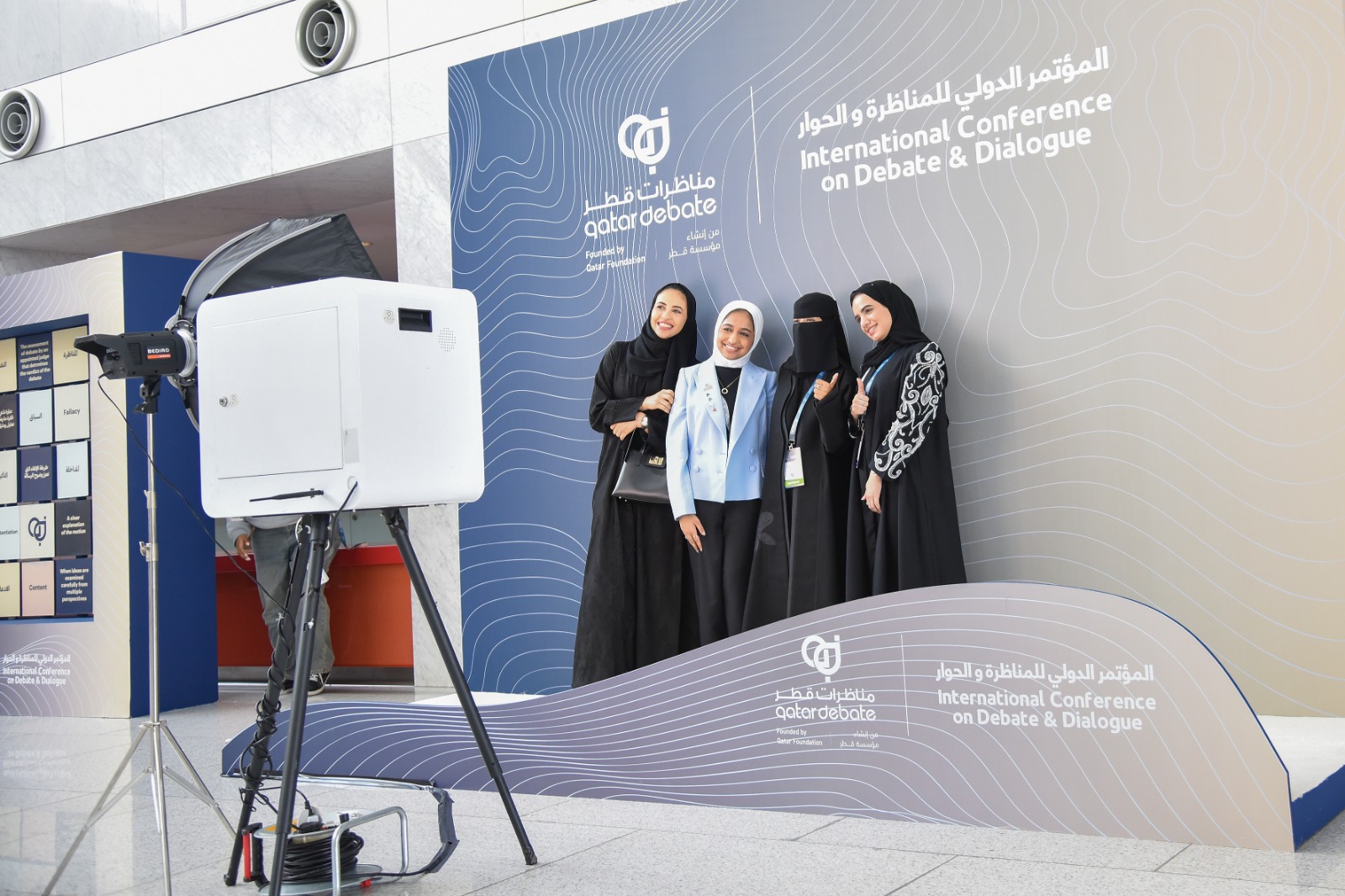
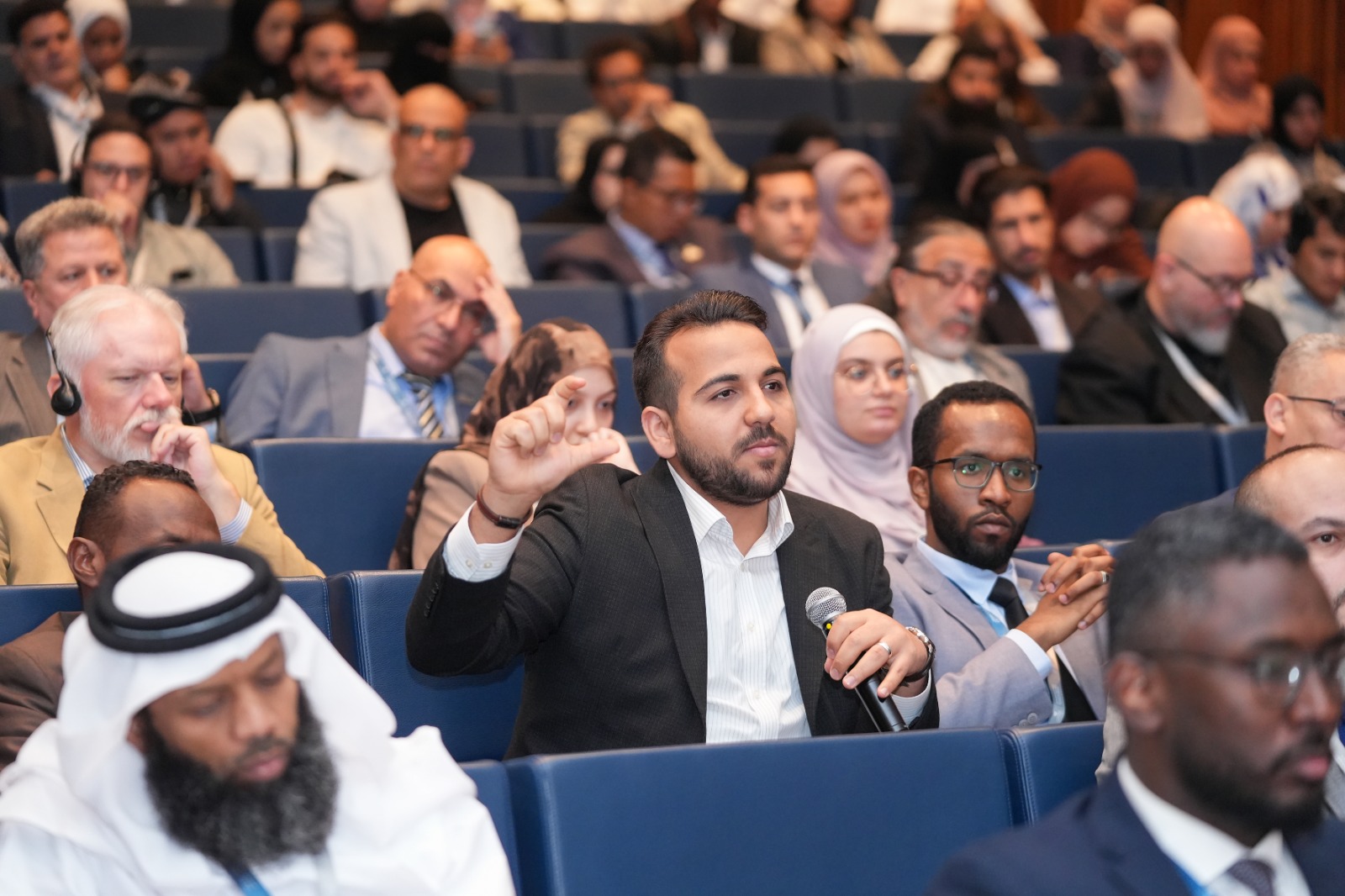
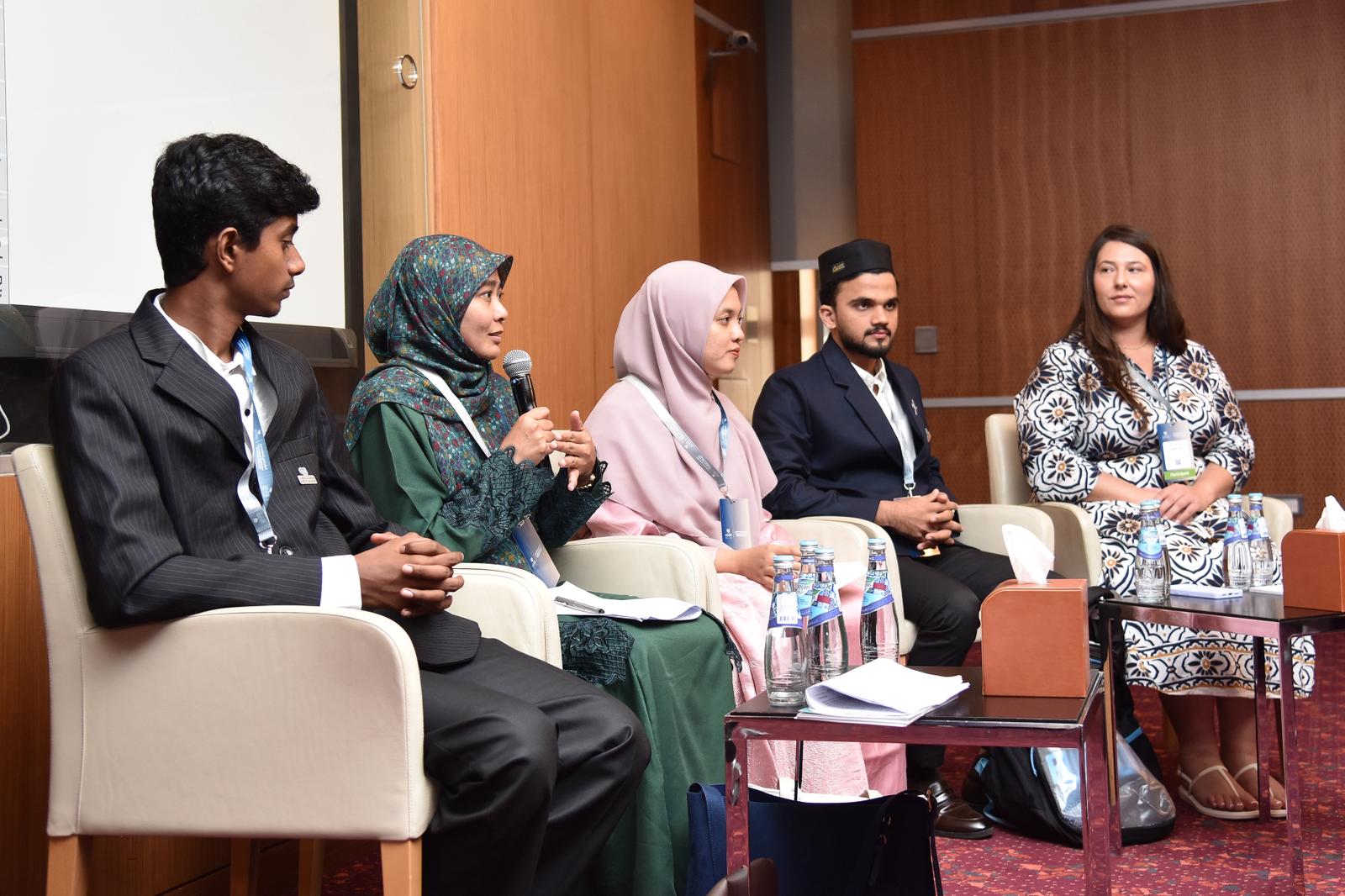
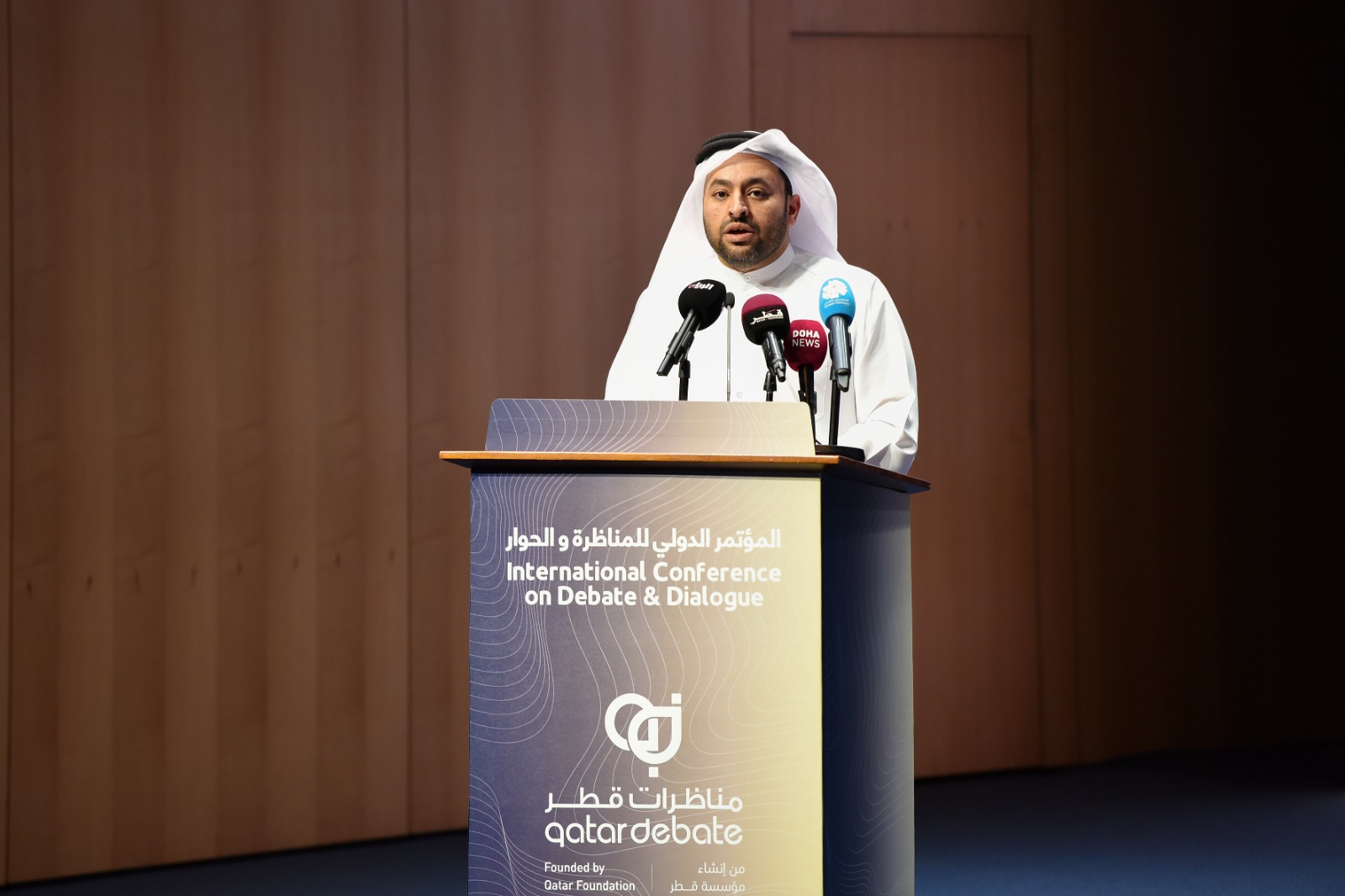
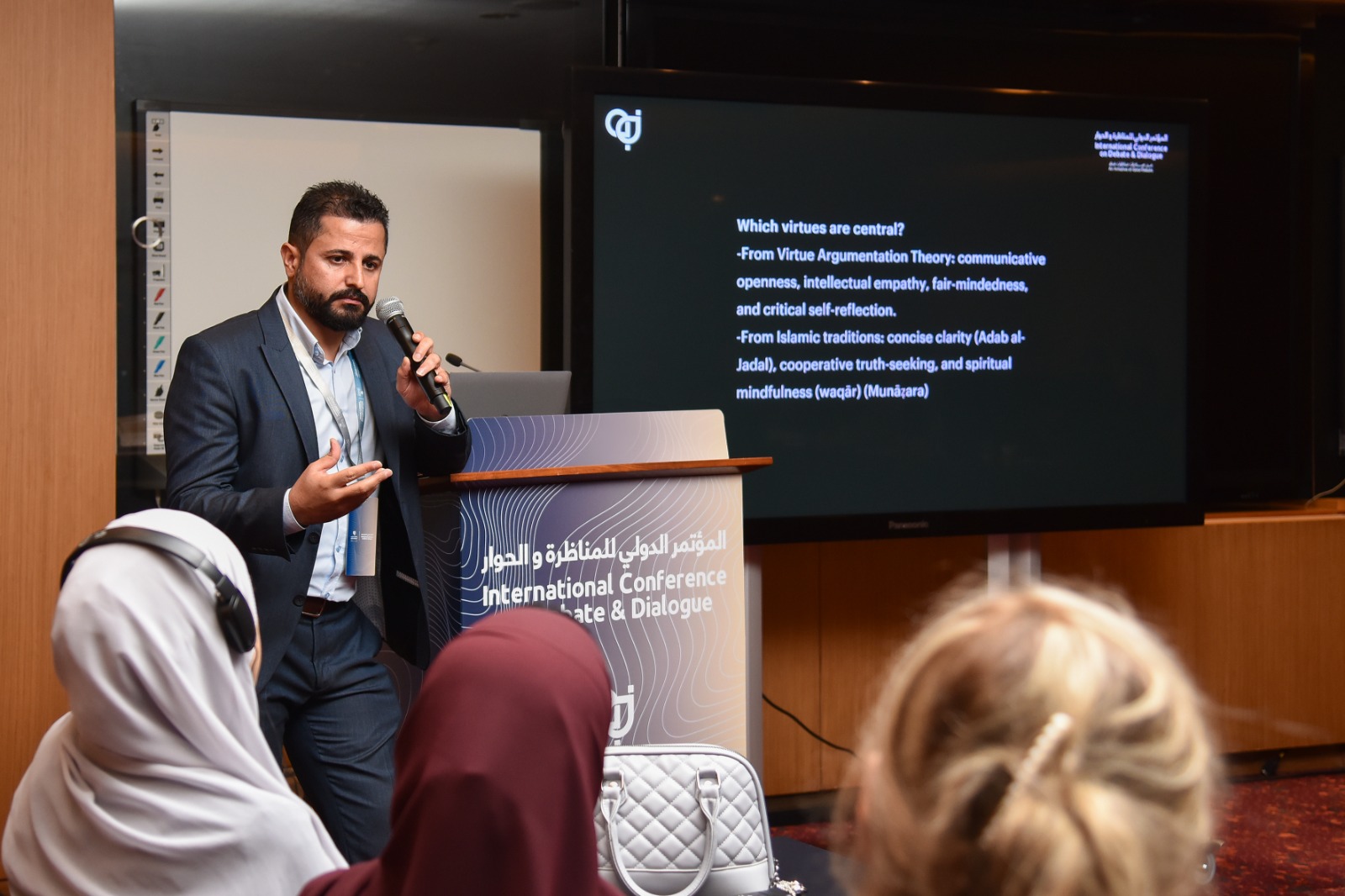
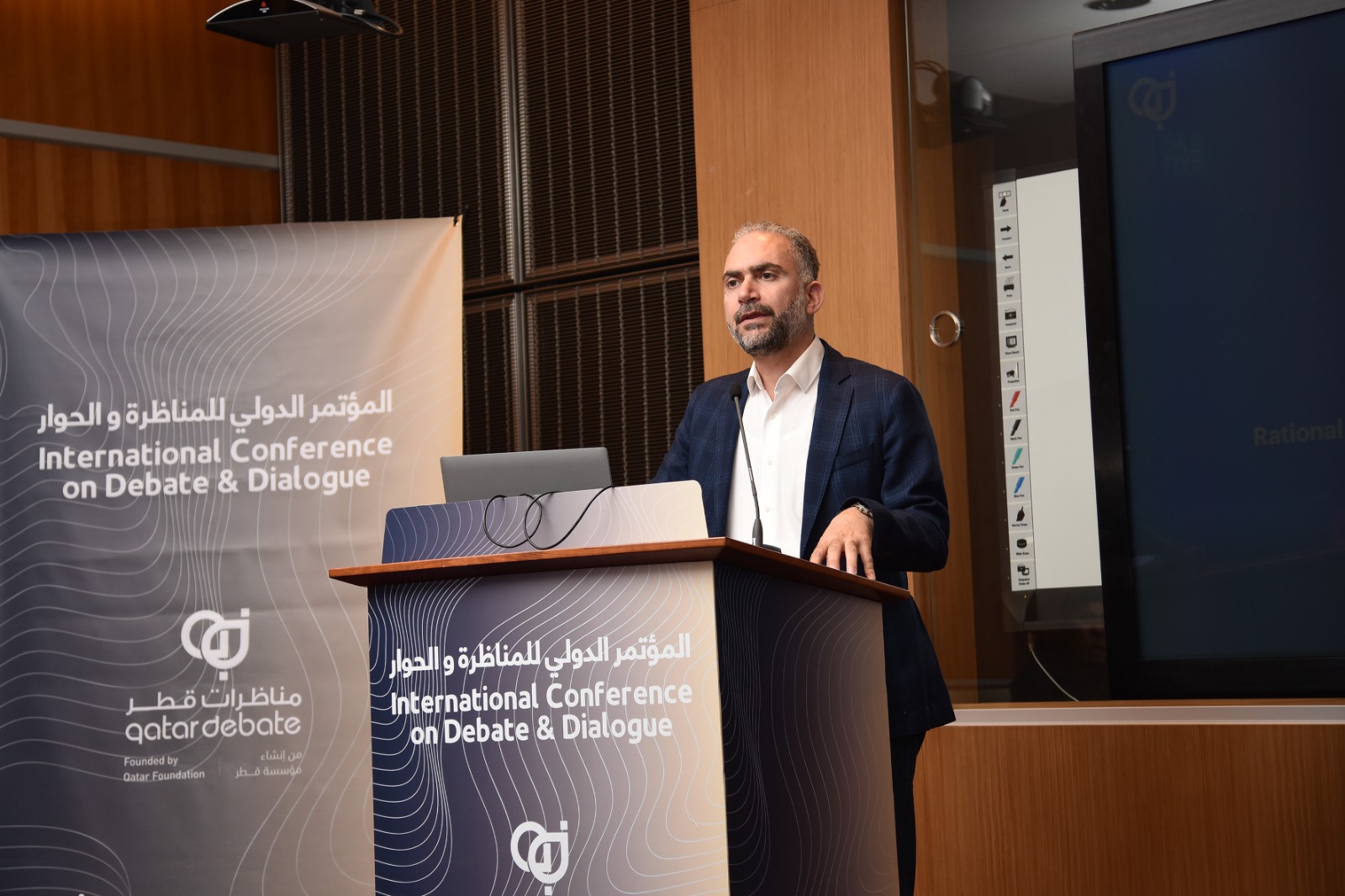
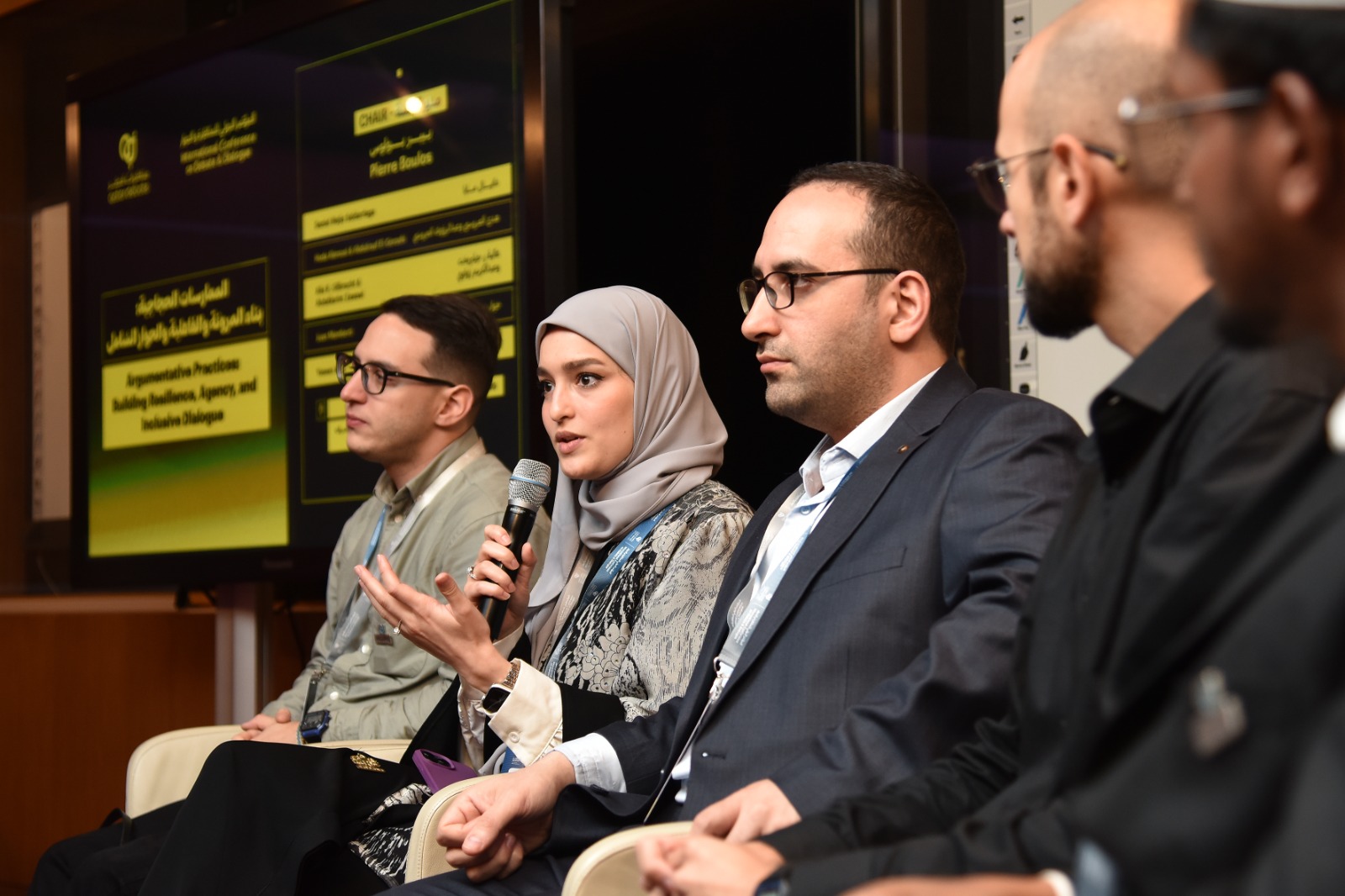
Photos from 2nd ICDD

Do You Have More Questions?
Email the Academic & Research Program team directly:
qdacademic@qf.org.qaSubmissions are received exclusively through the conference's dedicated submission platform.